Super Bear Adventure Exploration Guide: Hidden Areas and Secrets
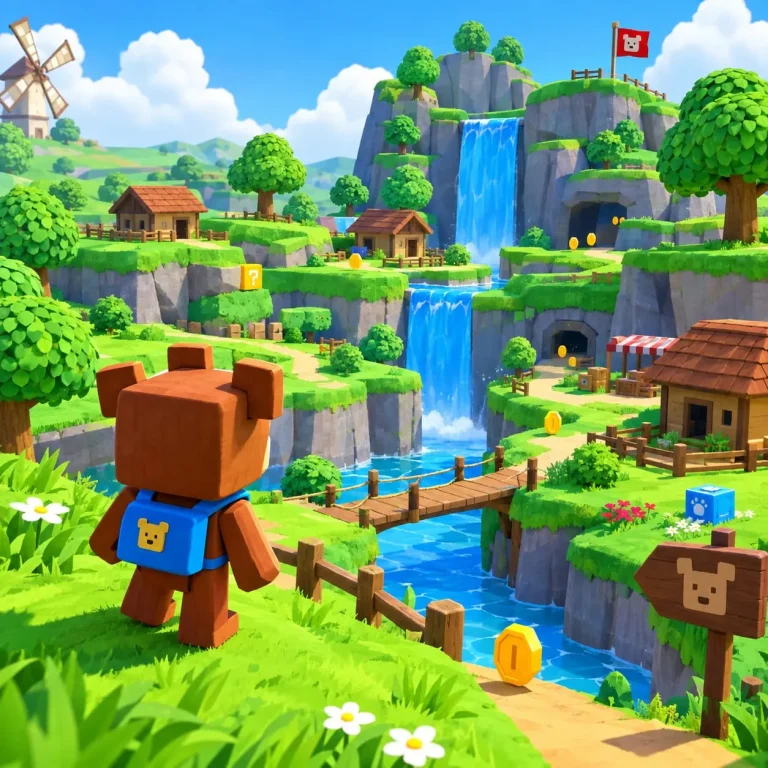
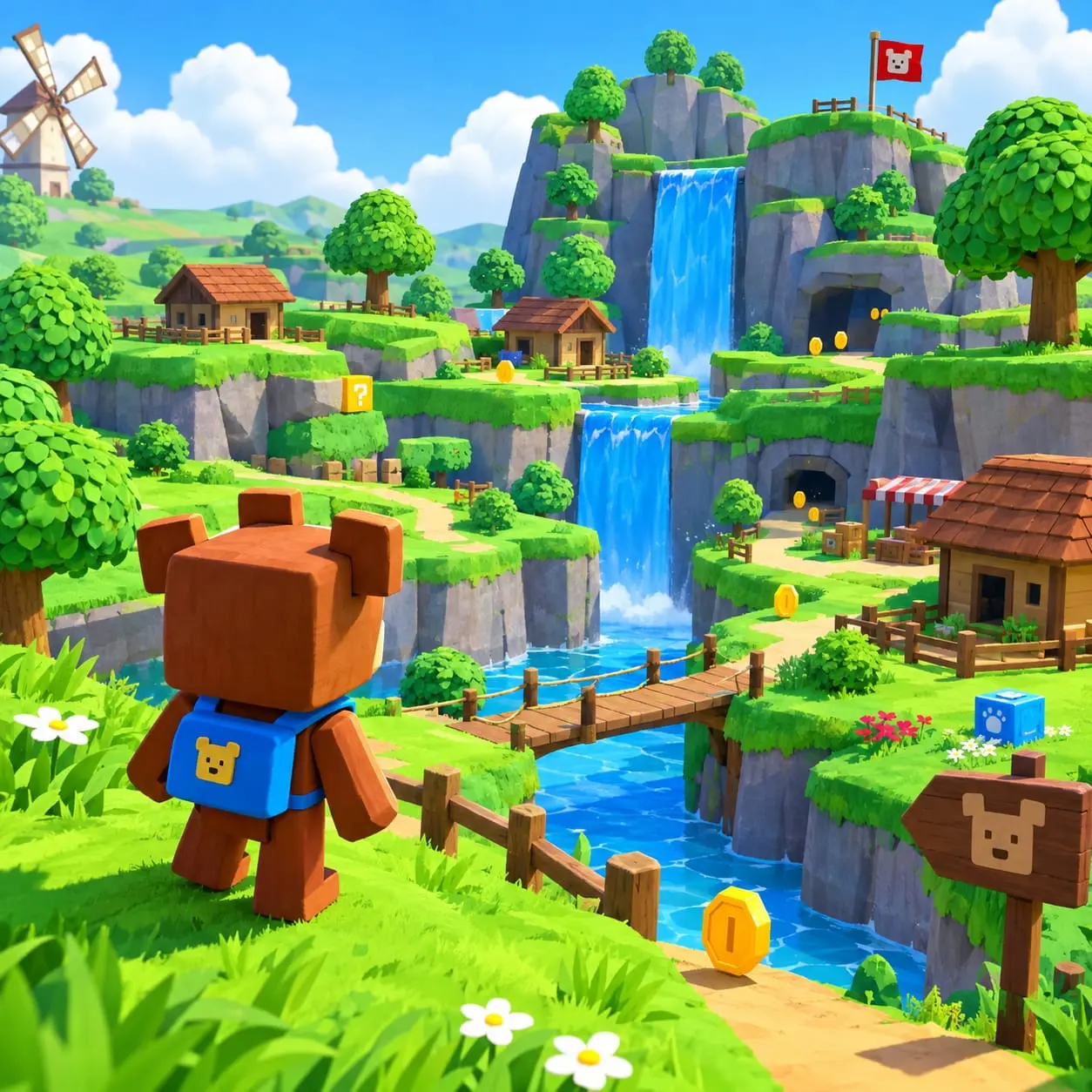
Exploring Super Bear Adventure is about more than following the main route. The game’s 3D environments give you plenty of opportunities to look around, reach unusual places, collect items, and discover paths that are easy to miss.
Some areas require careful jumping, climbing, swimming, or simply looking at the environment from a different angle. If you enjoy finding everything a level has to offer, this Super Bear Adventure exploration guide will help you explore more efficiently and avoid overlooking interesting areas.
Why Exploration Matters in Super Bear Adventure
Exploration gives you a reason to slow down and look beyond the obvious route. Instead of moving directly toward your next objective, check the surrounding environment for alternative paths and areas that may contain collectibles or useful routes.
Exploring carefully can help you:
- Find collectibles and hidden items
- Discover alternative paths
- Reach elevated platforms and difficult spots
- Learn the layout of each area
- Revisit places you could not reach earlier
- Complete environments more thoroughly
A good habit is to explore the area around an objective before immediately moving on.
How to Find Hidden Areas
There is no single trick for finding every secret. Instead, pay attention to environmental clues and test routes that look unusual.
When entering a new area, check:
- The main path and its sides
- Areas behind large objects
- Platforms above your current position
- Lower areas and gaps
- Water and surrounding edges
- Narrow openings and unusual structures
If something looks deliberately placed or slightly out of the way, it is worth investigating.
Check Beyond the Main Path
The most obvious route is not always the only route worth taking.
Before continuing along a clear path, look around it. A small side route, isolated platform, or gap between structures may lead to an area you would otherwise miss.
You do not need to explore every corner randomly. Focus on locations that stand out from the normal environment.
Look Behind Structures and Objects
Large objects can block your view of small paths and spaces. Whenever you enter an unfamiliar area, move around major structures and check what is behind them.
Pay particular attention to:
- Buildings and large objects
- Rocks and environmental structures
- Corners
- Spaces behind platforms
- Narrow passages
- Areas that cannot be seen from the main route
A quick camera check can reveal something that was hidden from your original viewpoint.
Check High and Low Areas
One common exploration mistake is looking only at the same level as your character.
Super Bear Adventure environments can contain routes at different heights, so look both above and below your current position.
If you notice an elevated platform, ledge, or unusual structure, consider whether you can reach it. Likewise, check underneath platforms, bridges, and other elevated sections.
This simple habit can help you identify possible routes before you attempt to reach them.
Use Jumping to Reach Difficult Spots
Jumping is one of the most useful movement abilities when exploring.
If you see a platform that appears reachable, first position your character carefully. Avoid making a rushed jump when you cannot clearly see the landing area.
For a difficult jump:
- Move into a good starting position.
- Look at the landing platform.
- Adjust the camera so the landing area is easy to see.
- Jump with enough space to control your movement.
- Check your position before attempting the next jump.
If you want to improve your movement first, see our Super Bear Adventure Controls and Movement Guide for a closer look at jumping, climbing, swimming, and camera handling.
If you play on a computer, see our Super Bear Adventure for PC guide for platform-specific information.
Look for Climbable Routes
Climbing can provide another way to reach elevated locations.
When you find a tall structure or wall that appears interesting, do not immediately assume it is inaccessible. Look around the area for lower platforms or starting points that could help you reach a higher section.
Sometimes the easiest route to a high location begins somewhere nearby rather than directly underneath it.
Explore Water and Lower Areas
Water is another part of the environment that should not be ignored.
When you come across a body of water, check the surrounding area and look for possible routes through or around it. Swimming can sometimes provide access to places that are not obvious from land.
Before leaving a water area, check:
- The edges of the water
- Nearby platforms
- Areas below the surface
- Routes on the opposite side
- Small openings or passages
Take your time because underwater movement can make nearby routes harder to notice.
Use the Camera to Search More Effectively
The camera is one of your most useful exploration tools.
Instead of keeping it pointed only toward your next destination, occasionally rotate it around the character. This gives you a better view of platforms, openings, collectibles, and paths that may be outside your normal field of view.
Try this simple routine whenever you enter a new area:
Stop → Rotate the camera → Check high and low → Look behind objects → Continue
It takes only a few seconds and can prevent you from missing obvious exploration opportunities.
Follow Unusual Paths
Not every path will look like a normal route. You may notice a narrow walkway, isolated platform, small opening, or section that seems separated from the main route.
These areas are worth checking.
A useful rule is:
If a route looks unusual but physically reachable, investigate it before moving on.
Even when it does not lead to a major secret, exploring these paths can help you understand the level layout and locate nearby items.
Search Around Collectibles
Finding one collectible is a good reason to inspect the surrounding area rather than immediately leaving.
Look around the location where you found it and check nearby platforms, corners, and alternate routes.
Try checking:
- Above the item
- Behind nearby objects
- Around corners
- On nearby platforms
- Along side paths
This does not guarantee another collectible will be nearby, but it is an efficient way to make sure you are not overlooking something.
Revisit Areas You Could Not Reach
One of the best exploration habits is remembering locations that you could not access earlier.
You may find a high platform, distant ledge, water route, or unusual opening that seems difficult to reach. Instead of ignoring it permanently, remember its location and return to it later.
Keep an eye out for:
- High platforms
- Difficult jumps
- Interesting water areas
- Narrow routes
- Unexplored sections
- Locations that require a different approach
Revisiting these places can be more productive than repeatedly searching the same easy areas.
If you prefer an older version of the game, you can also explore our Super Bear Adventure Old Version guide.
A Simple Hidden-Area Checklist
When exploring a new location, use this quick checklist:
- ☐ Check both sides of the main route
- ☐ Look behind large structures
- ☐ Check platforms above you
- ☐ Look underneath elevated areas
- ☐ Inspect water and nearby edges
- ☐ Rotate the camera around the area
- ☐ Investigate unusual paths
- ☐ Check around collectibles
- ☐ Remember difficult locations for later
Using the same checklist in every area makes exploration more systematic instead of random.
Common Exploration Mistakes
Even when you know what to look for, a few habits can make exploration less effective.
Following Only the Main Route
The main route is usually the easiest way forward, but it can cause you to overlook nearby paths and platforms.
Better approach: Check the surrounding area before continuing.
Ignoring the Camera
A limited camera angle can hide platforms, openings, and objects.
Better approach: Rotate the camera whenever you enter a new area or reach an unfamiliar location.
Rushing Through New Areas
Moving quickly makes it easier to pass collectibles and unusual paths without noticing them.
Better approach: Slow down for the first few moments and understand the layout.
Looking Only at Ground Level
Some interesting locations may be above or below your current route.
Better approach: Make a habit of checking high and low areas.
Forgetting Places You Could Not Reach
An inaccessible-looking location may simply require a different route or another attempt.
Better approach: Remember interesting locations and revisit them later.
Exploration Tips for Better Results
If you want to become more efficient at finding hidden areas, use these habits:
1. Explore Before Moving On
After reaching a new area, spend a few seconds checking the surroundings before following the next objective.
2. Look for Environmental Clues
Platforms, openings, unusual structures, and isolated areas can indicate that there is more to explore.
3. Use Movement Skills Creatively
Try combining positioning, jumping, climbing, and swimming when a route looks difficult.
4. Keep the Camera Moving
A different camera angle can reveal a route that was invisible from your previous position.
5. Remember Difficult Locations
If you cannot reach somewhere, remember it rather than spending too long on the same attempt.
6. Explore in Sections
Instead of randomly moving around, divide an area into smaller sections and check each one before continuing.
This approach makes it easier to notice what you have already explored.
Final Thoughts
The best way to discover hidden areas in Super Bear Adventure is to become more observant. Look beyond the main route, check different heights, rotate the camera, investigate unusual paths, and use movement skills to test places that look reachable.
You do not need to rush. Take a few moments to understand each environment, remember locations that you could not reach, and revisit them when appropriate.
You can also check our Super Bear Adventure for PC guide or Super Bear Adventure for iOS guide if you play on a different platform.
The key rule is simple: don’t just follow the path—explore what is around it.